STATELESS
YEAR: 2020 - SPANISH, HAITIAN CREOLE, FRENCH | 96 MINS
DIRECTOR: MICHÈLE STEPHENSON
PRODUCERS: JENNIFER HOLNESS, LEA MARIN, MICHÈLE STEPHENSON
EXECUTIVE PRODUCERS: ANITA LEE, JOE BREWSTER, SUDZ SUTHERLAND EXECUTIVE PRODUCER FOR BLACK PUBLIC
MEDIA: LESLIE FIELDS-CRUZ EXECUTIVE PRODUCER FOR LATINO PUBLIC
BROADCASTING: SANDIE VIQUEZ PEDLOW FEATURING ROSA IRIS DIENDOMI-ÁLVAREZ, TEOFILO MURAT, GLADYS FELIZ
CINEMATOGRAPHERS: ALFREDO ALCÁNTARA, TITO RODRIGUEZ, NAITI GÁMEZ, NADIA HALLGREN, JAIME GUERRA, PEDRO ARNAU BROS SANTANA
EDITORS: SOPHIE FARKAS-BOLLA
COMPOSER: BEN FOX
WORLD PREMIERE: 2020 TRIBECA FILM FESTIVAL

Synopsis
In 1937, tens of thousands of Haitians and Dominicans of Haitian descent were murdered by the Dominican army, many on the basis of their skin colour alone. The so-called “Haitian Problem” was an attempt to control the border between the two countries and whiten the Dominican population, led by a dictator obsessed with race.
In 2013, the Dominican Republic’s Supreme Court stripped the citizenship of anyone with Haitian parents, retroactive to 1929. The ruling rendered more than 200,000 people stateless, without nationality, identity, or a homeland.
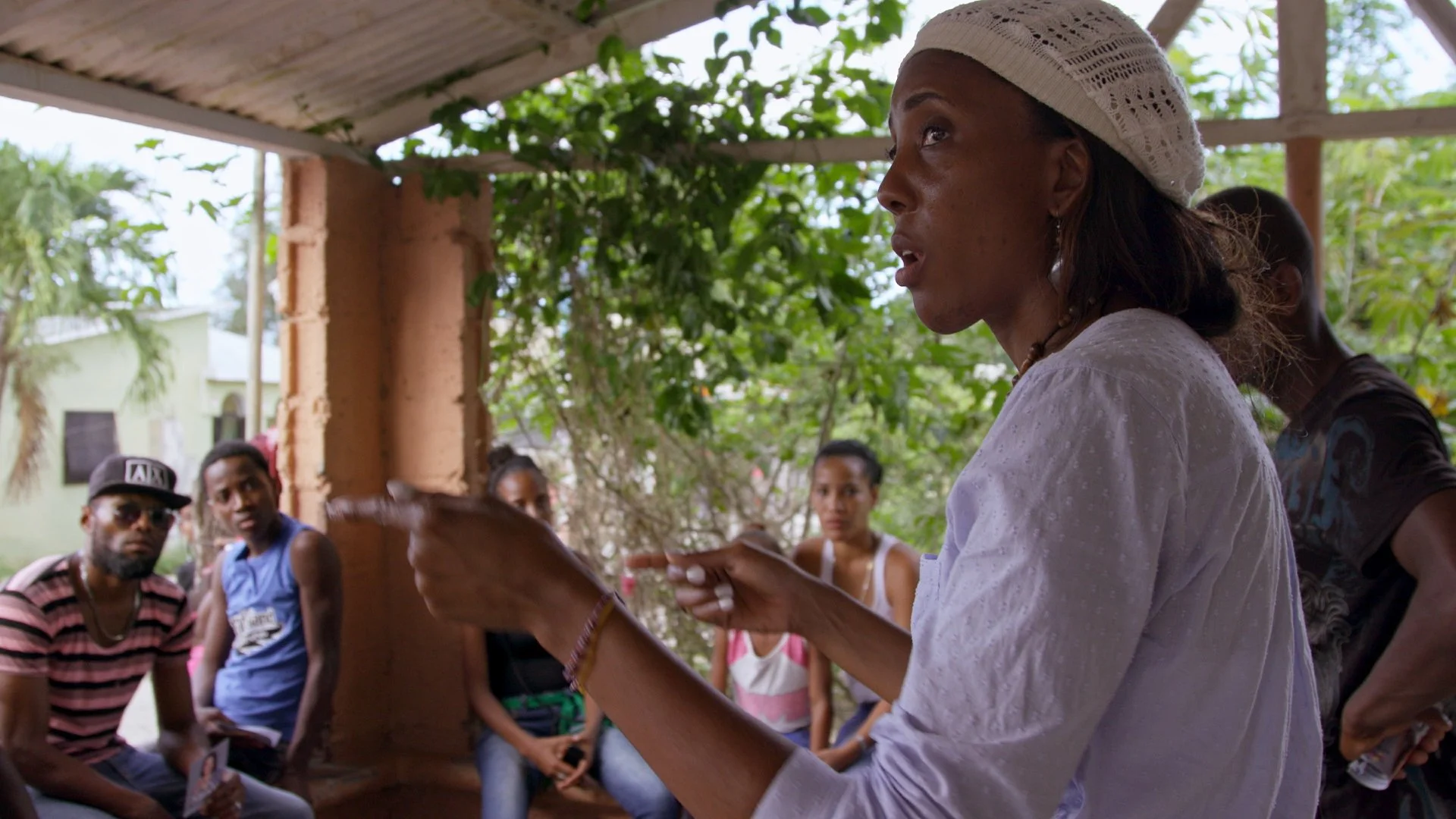
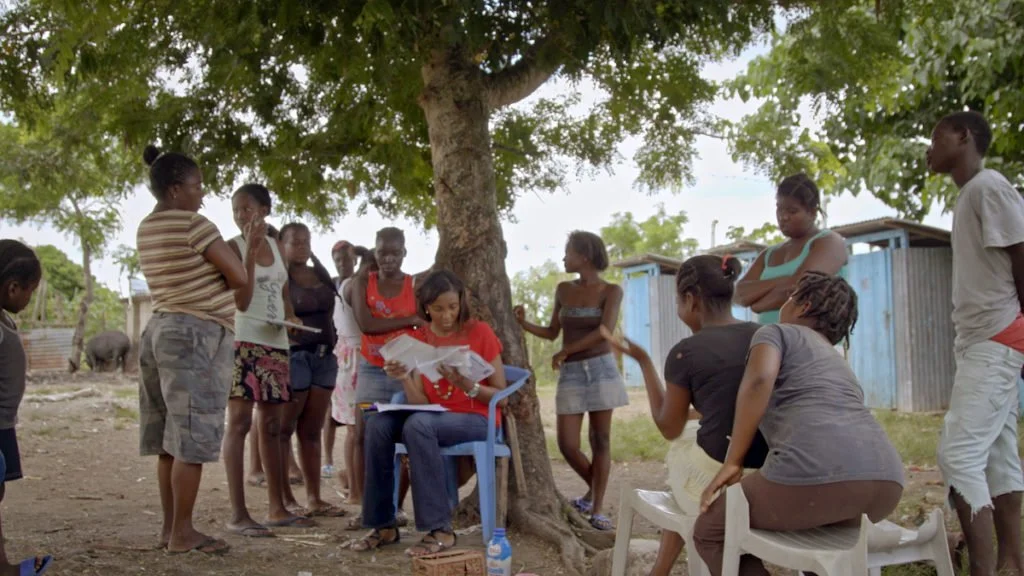
Director Michèle Stephenson’s new documentary Stateless traces the complex tributaries of history and present-day politics, as state-sanctioned racism seeps into mundane offices, living room meetings, and street protests. Anyone defending marginalized groups faces threats of violence. In this dangerous climate, a young attorney named Rosa Iris mounts a grassroots campaign, challenging electoral corruption and advocating for social justice. As Rosa balances her congressional run with her dedication to her family and community, the full scope of her fight is revealed.
Haiti and the Dominican Republic share a torturous history dating back to colonial rule when France and Spain divided the Island of Hispaniola along cultural and racial lines. Despite historic cross-border solidarity and peaceful coexistence between Haitians and Dominicans, waves of state-sponsored violence have continued to ripple out in the form of forced deportations and racialized targeting. As people on either side of the border struggle to navigate a rising tide of nationalist hatred and vigilantism, a humanitarian crisis unfolds, echoing similar immigration catastrophes around the globe.
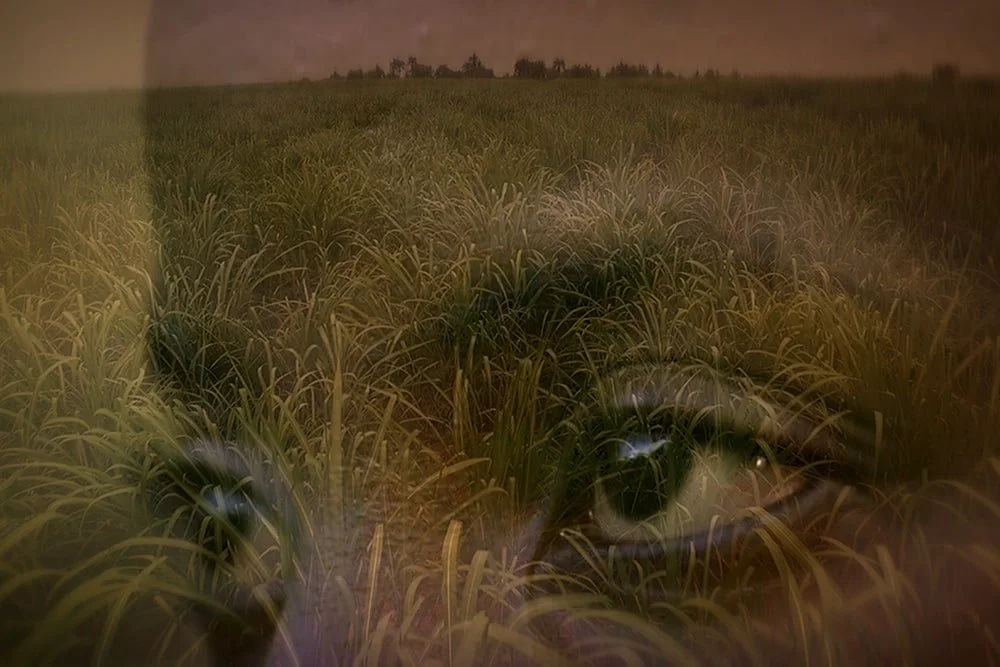
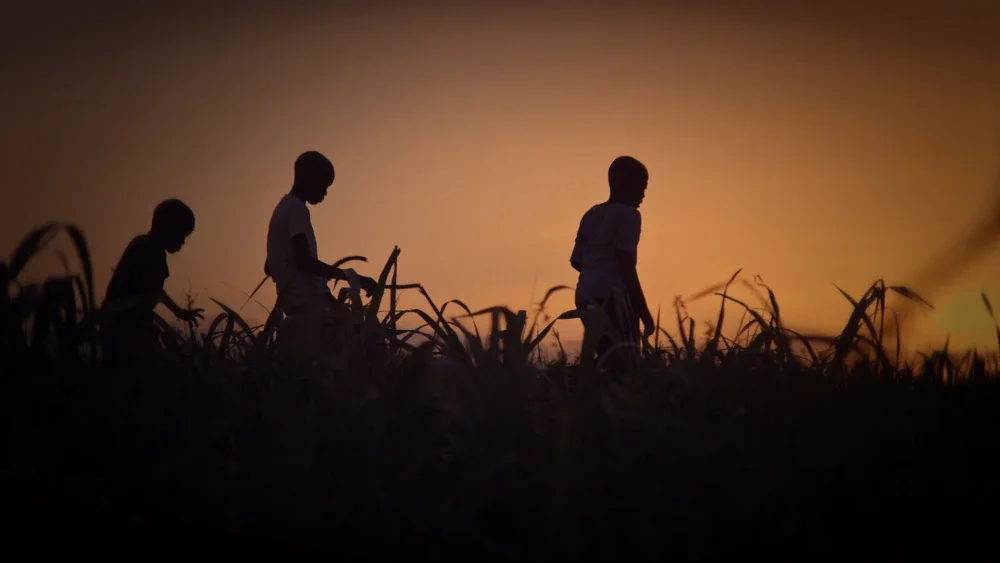
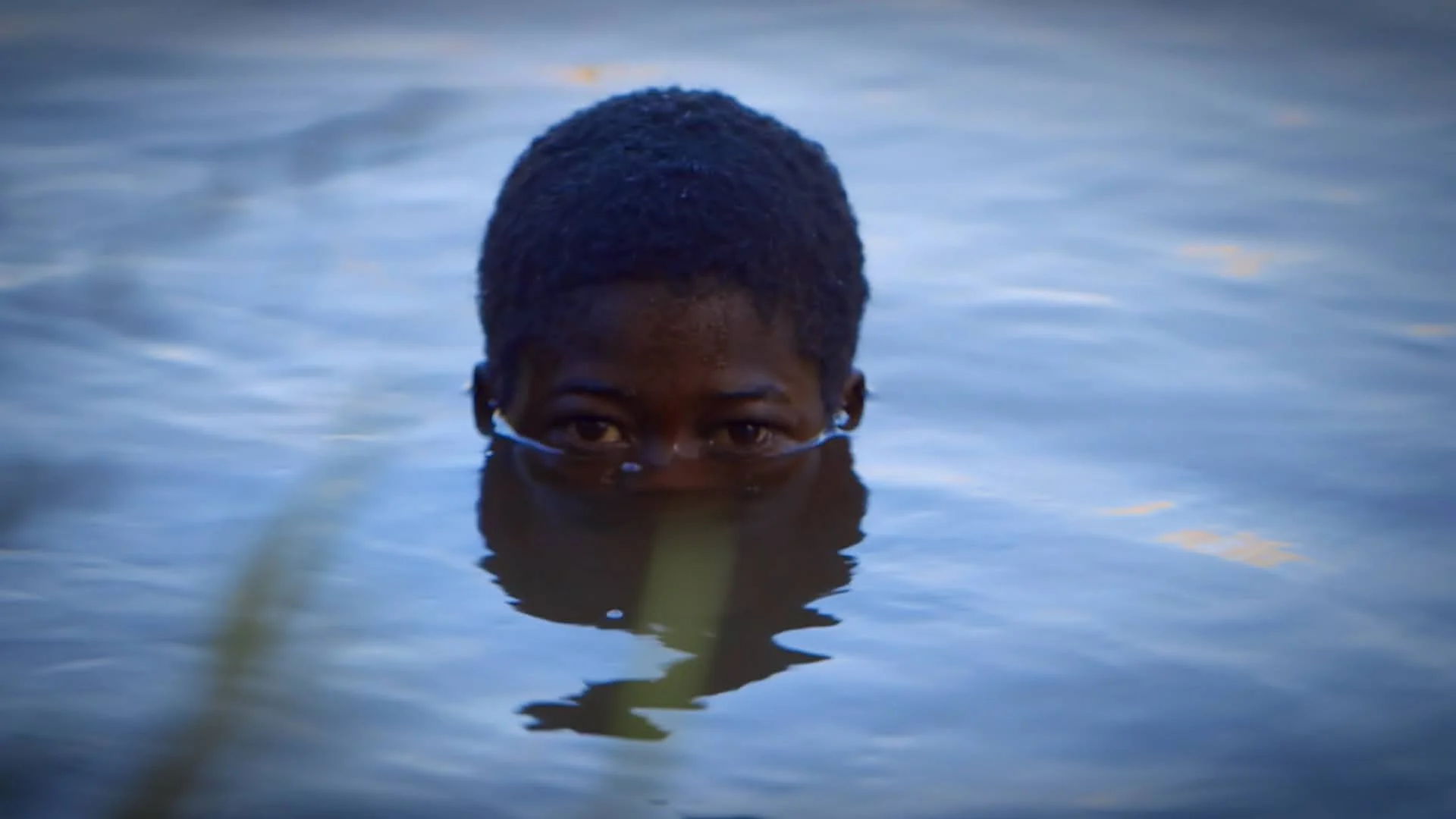
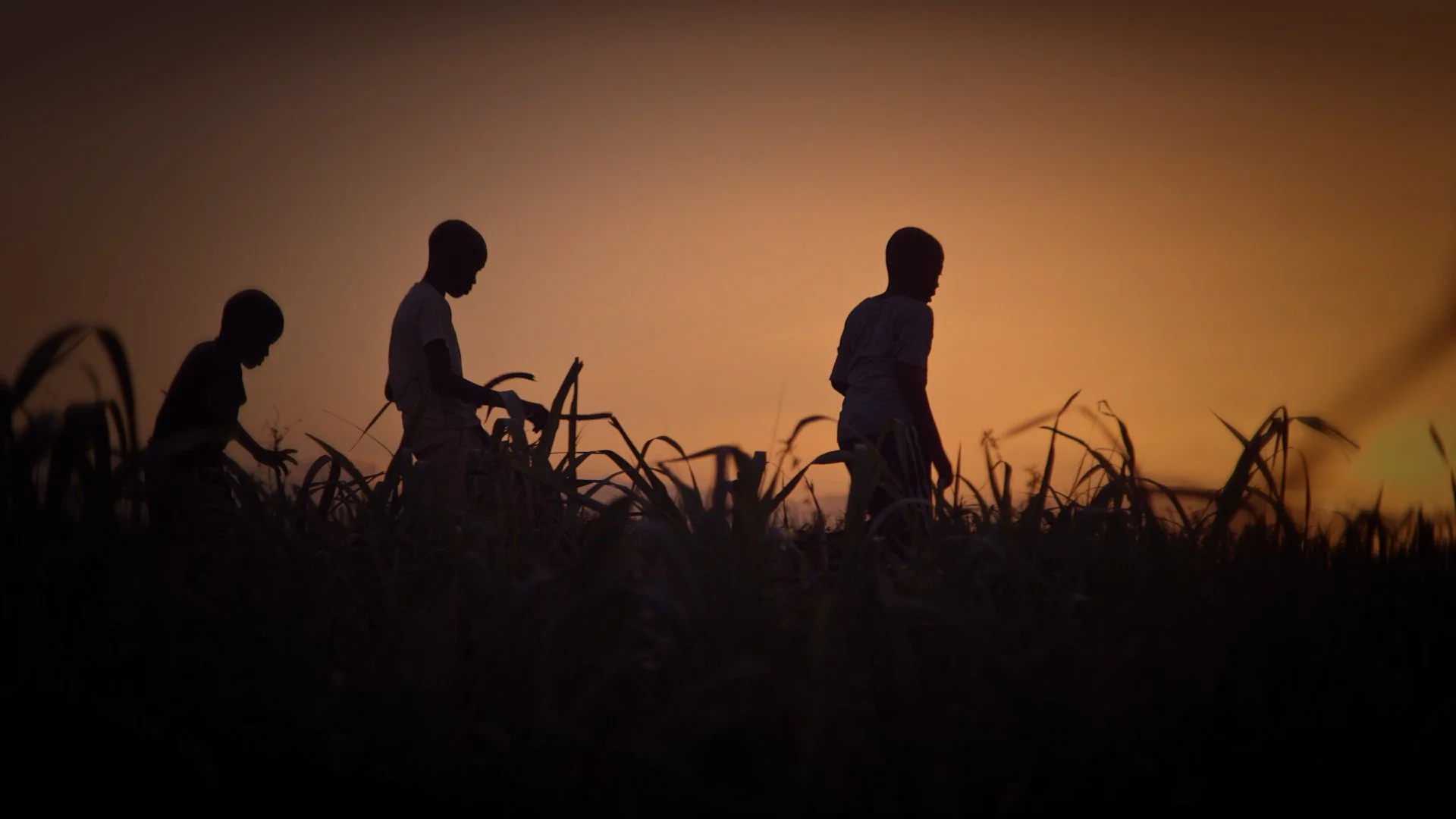
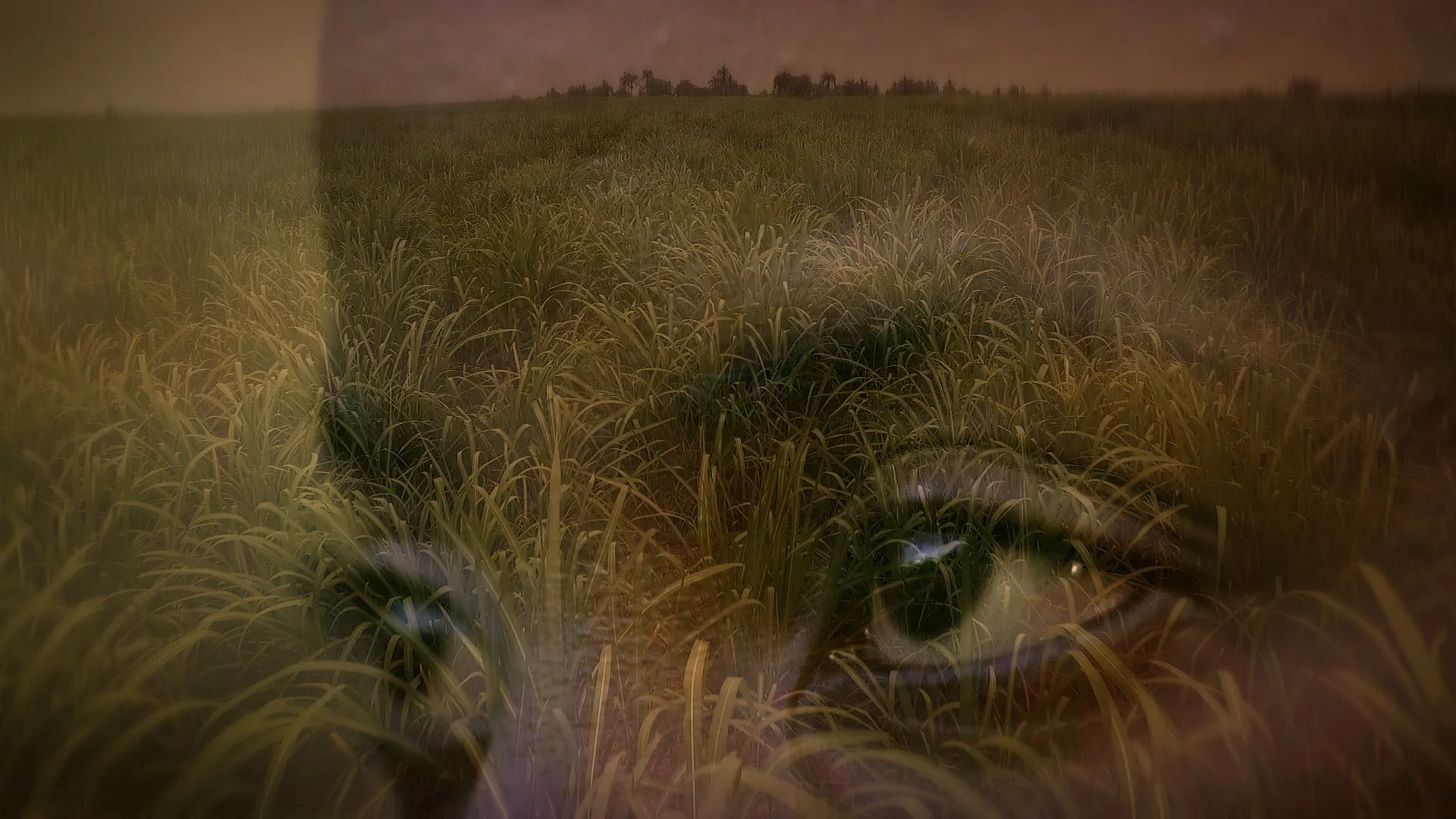
Filmed in chiaroscuro colours and shot through with elements of magical realism, Stateless combines gritty hidden-camera footage with the legend of a young woman fleeing brutal violence to flip the narrative axis, revealing the depths of institutionalized oppression.
Directors Statement
As a child, growing up in a Haitian and Latinx household and diaspora communities in North America, I continued to overhear stories about the history of my birthplace relating to race, colour, class, colonialism and human rights. Those observations formed the basis of how I made sense of the world that surrounded me, especially as those notions collided with the racism, segregation and discrimination that we faced in our adopted countries. Those experiences fuelled my passion to dig deeper into the consequences of our deeply painful common history of slavery and colonialism and how we continue to internalize such self-hatred.
Stateless in some ways is a culmination of years of working through storytelling approaches that allowed me to land back home and use a creative way to unearth and express that childhood pain.
As a hyphenated Black Latina, I felt compelled to express how deeply embedded the racial caste system is in our Latinx communities and how identity and citizenship are so closely connected to anti-Blackness—and yet its discussion either escapes or is superficially misconstrued by mainstream media.
Stateless highlights universal themes of access to citizenship, migration and systemic racism. In the US, we are witnessing the chipping away at immigrants’ and citizens’ rights. We are facing a global crisis of white supremacist manipulation of migrants’ rights, birthright citizenship, and human dignity for black and brown people.
My objective is to connect the film to a network of committed partners in the Caribbean region, Latin America, the US, and internationally, to utilize the film as a platform for their work on protecting the rights of migrants and citizens, and to deepen people’s understanding of the intersection between anti-Black racism, migration, and citizenship rights.
– Michèle Stephenson, Director/Producer
FESTIVALS
Best Feature Documentary Award, BlackStar Film Festival (2020)
Special Jury Prize – Canadian Feature, Hot Docs Canadian International Documentary Festival (2020)
Best Feature Film Audience Award, Boston Latino International Film Festival (2020)
Official Selection (World Premiere), Tribeca Film Festival (2020)
Official Selection, DOXA Documentary Film Festival (2020)
Official Selection, Trinidad and Tobago Film Festival (2020)
Official Selection, Rencontres Internationales du Documentaire de Montréal (RIDM) (2020)
Official Selection, Chicago Latino Film Festival (CLFF) (2021)
Official Selection, NorthWestFest (2021)
Nominee – Ted Rogers Best Feature Length Documentary, Canadian Screen Awards (2021)
PRESS
-
![]()
Michèle Stephenson on ‘Stateless’ and the Battle of Narratives
-
![]()
'Stateless' Confronts Anti-Blackness in the Dominican Republic and Haiti
-
![]()
Dominican Republic's enduring history of racism against Haitians explored in 'Stateless'